
Honoring Mental Health Awareness Month Through Our Latest Collaboration: Yoga For Family Mental Health
Yoga as a Path to Strong Mental Health for Kids and Families
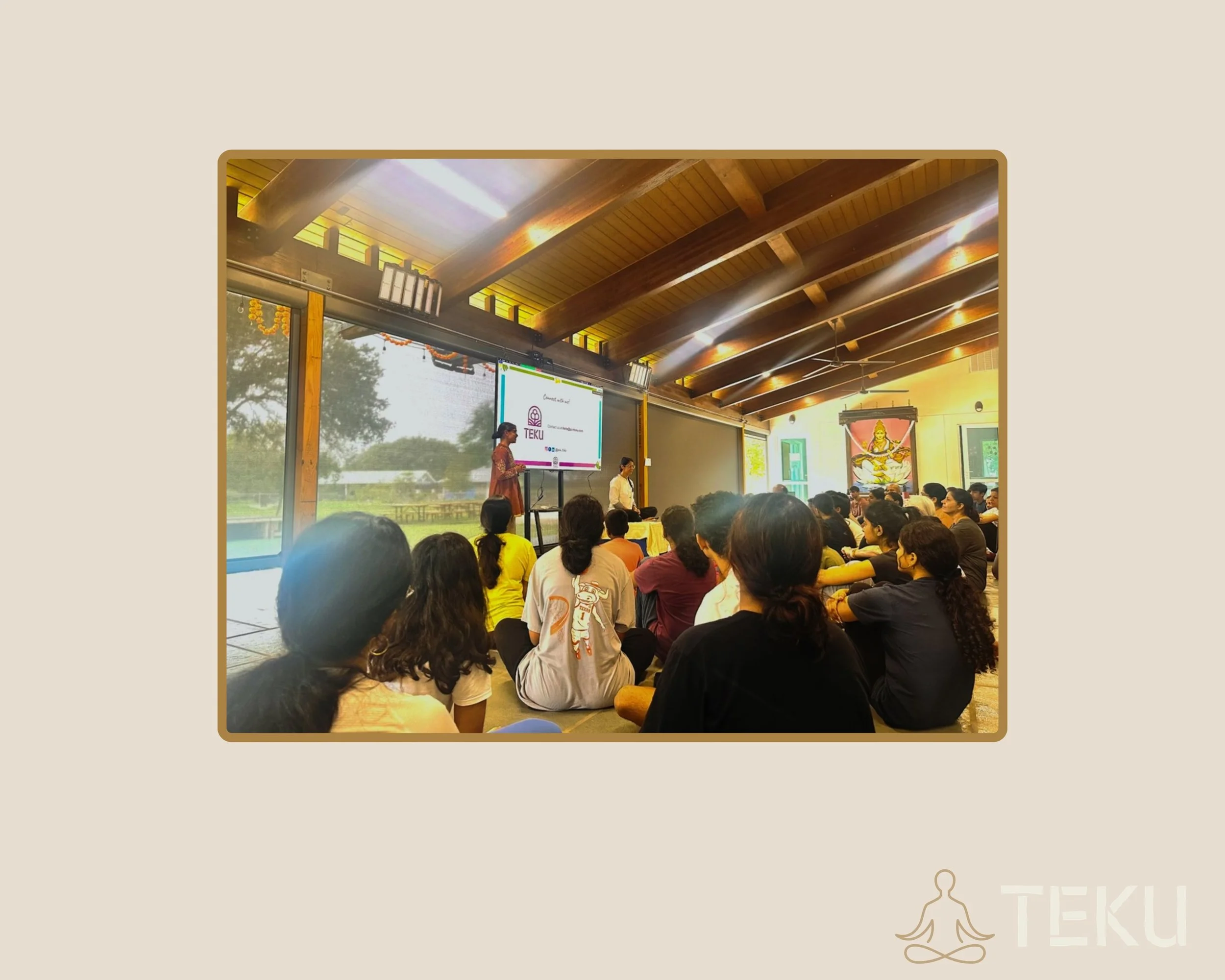
May is Mental Health Awareness Month– a time to focus on mental health, which means caring for how we feel, think, and interact with the world. This year, I was honored to work with Aum Ashram in San Antonio, where over 100 young people and their parents/guardians came together to talk about how yoga can boost mental health, help prevent problems, and support clinical treatment.
As a mother, a child psychiatrist, and a public health advocate, I've seen the power of yoga for over ten years. After completing my 200-hour yoga teacher training in 2022, I came to fully understand how yoga improved my mental health. More importantly, I learned that being healthy, calm, and aligned with my values supports a healthier, happier environment at home for my children and family.
Understanding Mental Health vs. Mental Illness
It is helpful to know the difference between mental health (our emotional, social, and psychological well-being) and mental illness (diagnosable conditions that need medical attention). Both are important and exist on a spectrum that requires our care.
We can think of well-being in terms of the 8 Dimensions of Wellness: how we manage our emotions, our intellectual life, our physical body, our surroundings, our work, our social connections, our finances, and our spiritual life. These areas are all connected and shape our total well-being.
Yoga: A Complete Approach to Daily Wellness
Yoga is so powerful because it offers a full system—the 8 limbs of yoga—that supports these eight dimensions of wellness in our daily lives.
Physical Movement: The physical poses support strength, flexibility, and overall physical health.
Breathing and Focus: Breathing exercises, concentration, and quiet reflection help us manage our emotions, improve focus, and support clear thinking.
Lifestyle: The ethical and lifestyle practices of yoga influence how we treat ourselves and others, which builds social and emotional health.
Yoga also encourages daily routines and habits, which bring consistency and rhythm to our lives. This involves moving our bodies, getting sunlight, resting, practicing self-awareness, connecting with loved ones, spiritual reflection, and setting healthy boundaries—all crucial for strong mental health.
How Yoga Supports Children and Families
Studies continue to show that yoga helps both children and the adults who care for them in significant ways. These benefits include:
Better stress management and emotional control
Greater confidence and understanding of oneself
Improved attention, focus, and school performance
Better sleep
Support for handling anger, anxiety, and depression
For kids, yoga teaches them body-based ways to understand, express, and navigate their feelings. For parents and caregivers, it provides tools to manage emotions together and to model calm, thoughtful reactions. When families practice yoga together, it strengthens their bond, communication, and trust.
A Path of Deeper Connection
At its heart, yoga is more than just exercises—it’s a journey toward becoming your best self. This deeper side of yoga can build self-love, confidence, and a sense of purpose, while also strengthening ties to the community and, for those who choose, a higher power.
Through our new collaborations with Aum Ashram, Mudita Circles, and the Conscious Children’s Project, Teku is dedicated to making culturally meaningful yoga accessible to more people and to sharing education about its role in family mental health. Together, we have created the Yoga and Family Mental Health Coalition and are working to build spaces where young people can share their stories, help grow the scientific evidence base, and gain lifelong tools for well-being.